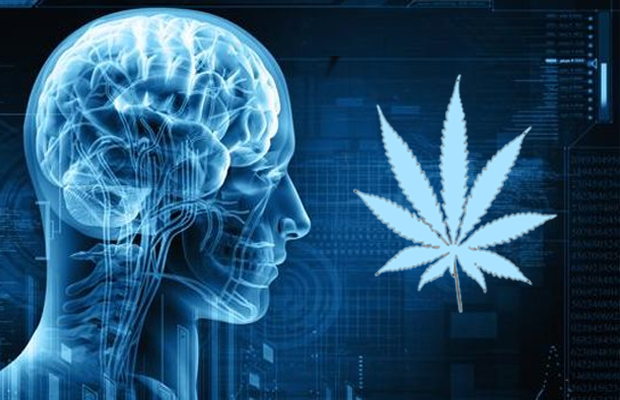
Cannabidiol (CBD) is a chemical compound found in high concentration in hemp, and marijuana. Hemp contains highest intensity of CBD. While all the other active ingredients in the plant interact with the nerves, CB1 and CB2 and Cannabinoid seems to have little influence on either of these receptors, despite the fact that it is present in both.
CB1 receptors can be found in a variety of brain regions, including those that are involved in the regulation of pain, comprehension, and memory, among others. Receptors are involved in the regulation of inflammatory responses and the stimulation of the immune system.
CBD helps to stimulate the endocannabinoids, causing it to start producing more of its cannabinoids and to slow the breakdown of those cannabinoids produced by the body. Delta-9-Tetrahydrocannabinol (THC), on the other hand, binds to CB1 and CB2 receptors, utilizing them and altering a person’s thinking, memory, pleasure, and pain perception, as well as their ability to focus and maintain attention. These side effects all contribute to the sensation that we refer to as a marijuana rising.
It is interesting to note that CBD may also have an effect on the THC by blocking the Cannabinoid receptors in the areas where THC acts. Higher dose of THC can cause anxiety and paranoia in some customers, which is one of the reasons many people seem to be afraid to experiment with marijuana. Fortunately, strains with high levels of CBD tend to mitigate these side effects, able to enjoy the effects of cannabis without being bothered by the side effects.
If you want to control brain issues with CBD products like vape pen or vaporizadores, you can purchase it from branded stores like Just CBD. A number of factors contribute to the store’s success, including high customer ratings, brand recognition, pricing, as well as the variety and price of goods it offers to its users. The JustCBD store sells products with legal THC levels that have been certified by a third party.
Effects on the Neuroprotective System
As a result of its neuroprotective properties, cannabidiol (CBD) may be beneficial in the treatment of neurological diseases. In other words, CBD guards the neurons from degeneration, allowing a person’s brain to remain younger for longer periods. In a research on Alzheimer’s disease, CBD was found to be effective in slowing the progression of the disease’s symptoms [3].
Pain-relieving Properties
CBD has been shown to be a natural pain reliever. Inhibiting neuronal transmission without inducing analgesic tolerance or substance dependence is one of its primary properties. Researchers have come to this conclusion as a result of these characteristics: when it comes to treating chronic pain, CBD and other non-intoxicating cannabinoids can be used as an effective alternative to prescription opioid drugs according to the findings.
Furthermore, numerous studies have demonstrated that the topical application of CBD can improve joint mobility and speed up the healing process following an injury as well. The use of CBD by professional athletes to combat muscle inflammation and other pain-related issues is becoming increasingly popular.
Effects on the body’s ability to fight cancer
Based on current research, very high dose of CBD can be used to slow or stop the growth of cancer cells as a result of its antitumor properties, which may even be used to treat leukemia and other related illnesses. The fact that CBD oil does not have any toxic effects on humans gives reason to be optimistic about its neurological effects.
Anti-anxiety Effects of Marijuana
The Anxiety-relieving properties of CBD have been well documented for some time. In fact, this is the number one reason why people use CBD oil, according to the research. Whenever you look for positive voices about Cannabidiol on the Internet, you will come across an ocean of success stories about patients who were able to stop taking their prescription medications completely as a result of CBD.
 Sportglobal